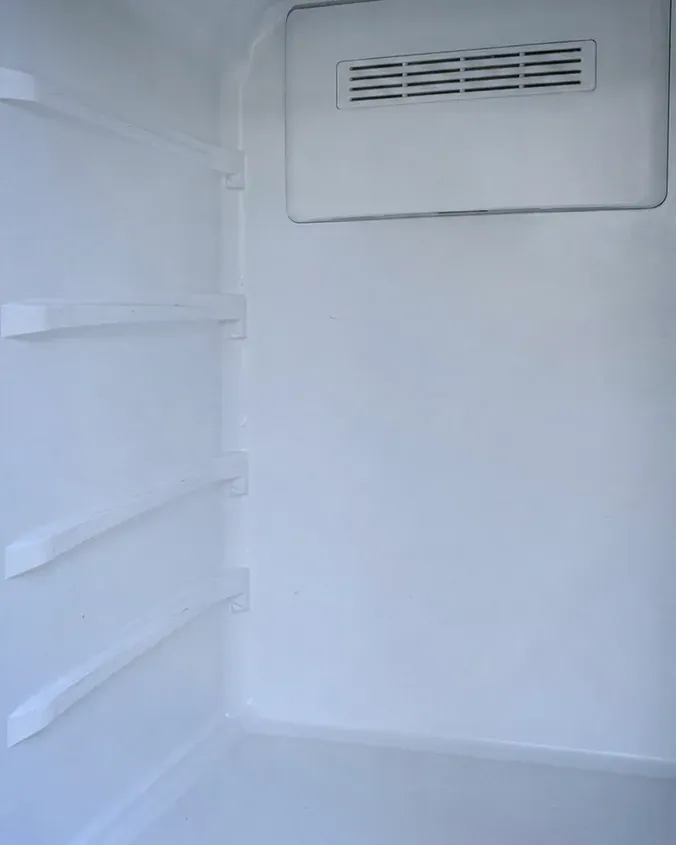
Yes, a Sub-Zero can keep food fresher for longer than a basic single-system fridge, but the gain comes from steady cold and separate air for the fresh-food and freezer sides, not from the badge on the door. Lettuce, berries and herbs hold up when the temperature barely moves and the cool, damp air of the refrigerator never mixes with the very dry air of the freezer. That edge lasts only while the machine is healthy. A dusty condenser, a flattened door gasket or a slowing fan erodes it quietly, long before anything looks broken. In Westminster, where the Front Range air is dry for much of the year, produce in a fridge that cannot hold its humidity shrivels fast, so upkeep matters even more here.
What actually keeps food fresher
A refrigerator can influence two things that ruin food: microbes growing on it and moisture leaving it. Cold slows the first; steady, humid air slows the second. Each time a compressor cycles hard, the cabinet swings a few degrees, and every swing pulls a little water out of soft produce and leaves condensation on containers. A built-in that holds a tight, even temperature cuts down on both.
Sub-Zero’s full-size refrigerator-freezers run separate cooling for each compartment, each side with its own compressor and evaporator. In a single-system fridge, air chilled by the freezer coil is blown into the fresh-food section, and because that air is so dry it draws moisture out of everything it passes. Keeping the two systems apart lets the refrigerator stay cool and moist while the freezer stays cold and dry, and it keeps refrigerator smells out of your ice. That is the honest core of the freshness claim. It does not promise a fixed number of extra days for every item, and how food was handled before it went in still counts for more than the cabinet does.
How a Sub-Zero differs from an ordinary fridge
Past the split cooling, the differences come down to being built for the long haul. A Sub-Zero is designed to sit flush in cabinetry and be serviced in place, with its condenser reachable from the front instead of buried behind the unit against a wall. Fans, valves, gaskets, sensors and boards are all replaceable, which is why these units are normally repaired rather than hauled off when one component quits. With a comparable built-in replacement typically costing $11,690–$22,210, keeping the existing one healthy is usually the sensible plan.
What shortens freshness, and the fridge’s life
Most of what ages a Sub-Zero early is heat it cannot shed. The condenser coil releases the warmth pulled out of the cabinet, and when it is matted with dust the compressor runs longer, temperatures drift and the sealed system strains for years. The maker’s own schedule calls for brushing that coil clean once or twice a year, with extra visits wherever a furry animal lives; a shedding dog in a Legacy Ridge or Walnut Creek house can blanket it surprisingly quickly. Chemical coil cleaners are unnecessary and the maker does not recommend them, and the aluminum fins bend easily, so go gently.
Where the coil sits depends on the model. On a Classic (CL) unit it is behind the grille at the top, which flips up. Designer (DET, DEC) owners will find it down at floor level instead, behind a kickplate fastened with two screws. Before you start, power the unit down from its own control panel, pull on a pair of gloves, and run a vacuum’s soft brush attachment in the same direction as the fins. A unit under 6 months old does not need this yet.
The door gasket is the second quiet culprit. A seal that no longer grips lets warm, damp kitchen air seep in, which means more frost, longer run times and faster wilting. With the unit off, wash it using mild soap and water on a soft cloth, a baking soda paste for stubborn marks, or one part bleach to ten parts water if mold or mildew shows up. Keep vinegar and rubbing alcohol away from the rubber. If the gasket is torn or flattened, replacement typically falls in the $280–$620 range, with the firm price given after diagnosis.
Finding out how old your unit is
Age matters when you weigh a repair, and the serial tag tells you directly, since Sub-Zero prints the manufacture date on it. Owners of Classic (BI, CL), 600 Series and 500 Series over-and-under models should open the refrigerator and look high on the door, close to the upper hinge. With a side-by-side, swing open the freezer instead. Classic French-door owners will spot it on the left-hand door once it is open. Our serial number lookup guide explains how to read it.
The series name also places you on the timeline. The 500 Series was made between 1987 and 2003 and the 600 Series between 1996 and 2009. Legacy Classic (BI) models were built from 2008 to 2022, when the current Classic (CL) line took over. A BI unit could be a few years old or well past a decade and still have plenty of service left, while a 500 Series unit has reached the stage where every repair deserves a harder look.
When food stops lasting: one part, or the whole fridge
The warning signs usually creep in: milk turning before its date, soft ice cream, frost on the back wall, sweating along the door frame, a compressor that seems never to switch off, or fresh clicking and buzzing. Most of those point to a single part rather than old age. A fan that has slowed, a defrost heater or sensor that has failed, or a control board sending bad readings can all make a sound cabinet run warm. Typical ranges are $290–$700 for an evaporator or condenser fan motor, $300–$690 for a defrost heater, thermostat or sensor, and $400–$990 for an electronic control board.
Sub-Zero offers a useful yardstick: if the refrigerator reads above 48 degrees while set at 38, a condenser cleaning will probably not bring it back, and a technician should take over. Age becomes the real issue when the sealed system fails on an older unit. Compressor or sealed-system work typically runs $1,500–$3,430, so on a younger fridge the repair usually wins, while on one with several other worn parts it may not. Water on the floor is a different problem, and our page on where the water is coming from helps you trace it.
Getting the most freshness in a Westminster kitchen
A few habits protect both the food and the machine. Let hot leftovers cool briefly before they go in, decide what you want before opening the door, leave room on the shelves for air to move, and keep produce in the crisper drawers where humidity is easiest to hold. Wipe the interior with soap, water and baking soda instead of vinegar or alcohol-based cleaners, and treat stainless doors to a nonabrasive cleaner on a soft cloth, following the grain.
If a Sub-Zero in Harris Park, Westcliff or Bradburn has started losing its edge, book our refrigerator and freezer repair. The first step is an $89 service call, which pays for the drive out and for tracking the fault to its source; once you approve the work, that amount comes off the repair bill. Call (720) 704-2791 to arrange it.
Questions
How long should a Sub-Zero last?
There is no set expiry date, because a Sub-Zero is built to be repaired part by part rather than thrown out. Its working life depends mostly on condenser cleaning, door seals and how the sealed system holds up. Sub-Zero's own timelines reach back to the 500 Series, built from 1987 to 2003, and the serial tag shows exactly when your unit was made.
What are 7 foods that should never be refrigerated?
Tomatoes, potatoes, onions, garlic, bread, honey and fresh basil are the usual seven. Cold dulls the taste and texture of tomatoes, nudges potato starch toward sugar, softens onions and garlic, makes bread go stale faster, crystallizes honey and blackens basil leaves. A cool, dark cupboard or the counter suits them better.
How does refrigeration keep food fresher?
Cold slows the bacteria, molds and natural enzymes that break food down, while a steady temperature and the right humidity stop produce from drying out. Food-safety guidance keeps the fresh-food side at 40 degrees or colder. A unit that holds its temperature evenly, with moist air in the refrigerator and dry air in the freezer, protects both safety and texture.
What signs tell you a refrigerator is dying?
Food spoiling sooner than it used to is the clearest sign, followed by a warm cabinet, a compressor that hardly ever rests, frost on the back wall, sweating door frames and new clicking or buzzing. Most of these come from one worn part rather than the end of the fridge, so get a diagnosis before you shop for a replacement.
My Sub-Zero has stopped cooling properly. What usually causes it?
A dusty condenser, a failed fan, a defrost fault or a tired door gasket are the usual causes. Clean the condenser first if the unit is more than 6 months old. Should the fresh-food side stay warmer than 48 degrees with the control at 38 even so, the fault lies deeper, and a technician should check the fans, defrost parts and sealed system.